Foundation repair
When a crack shows up in a basement wall or the block bows inward, we find out what's moving it before we patch, so the repair holds through the winters here.
Heritage Appleton Concrete and Masonry is a masonry contractor based in Appleton, WI. We repoint crumbling joints, repair foundations and chimneys, and build walls, walkways, driveways and fireplaces for homes across the city.
Heritage Appleton Concrete and Masonry is based in Appleton, and most of our work here starts with something a homeowner has noticed, like mortar crumbling out of a joint, a crack in the basement wall or a chimney that's shedding brick. We repair those, and we also build new walls, walkways, driveways and fireplaces.
Many of Appleton's older brick and stone houses were laid with a softer mortar than what's sold by the bag today. When those joints wear out, the right fix is careful tuckpointing with a mix that's softer than the brick, so the mortar takes the wear over the years instead of the brick face. I would rather match the house than use whatever is quickest.
Basement walls are the other common call. Foundations here take years of wet soil and frost pressure, and a crack that keeps opening or a wall that has started to bow should be looked at closely before anyone patches it. We see the same kinds of houses and the same problems in Kimberly and Neenah, and we work there and in many other cities around Appleton.
When a crack shows up in a basement wall or the block bows inward, we find out what's moving it before we patch, so the repair holds through the winters here.
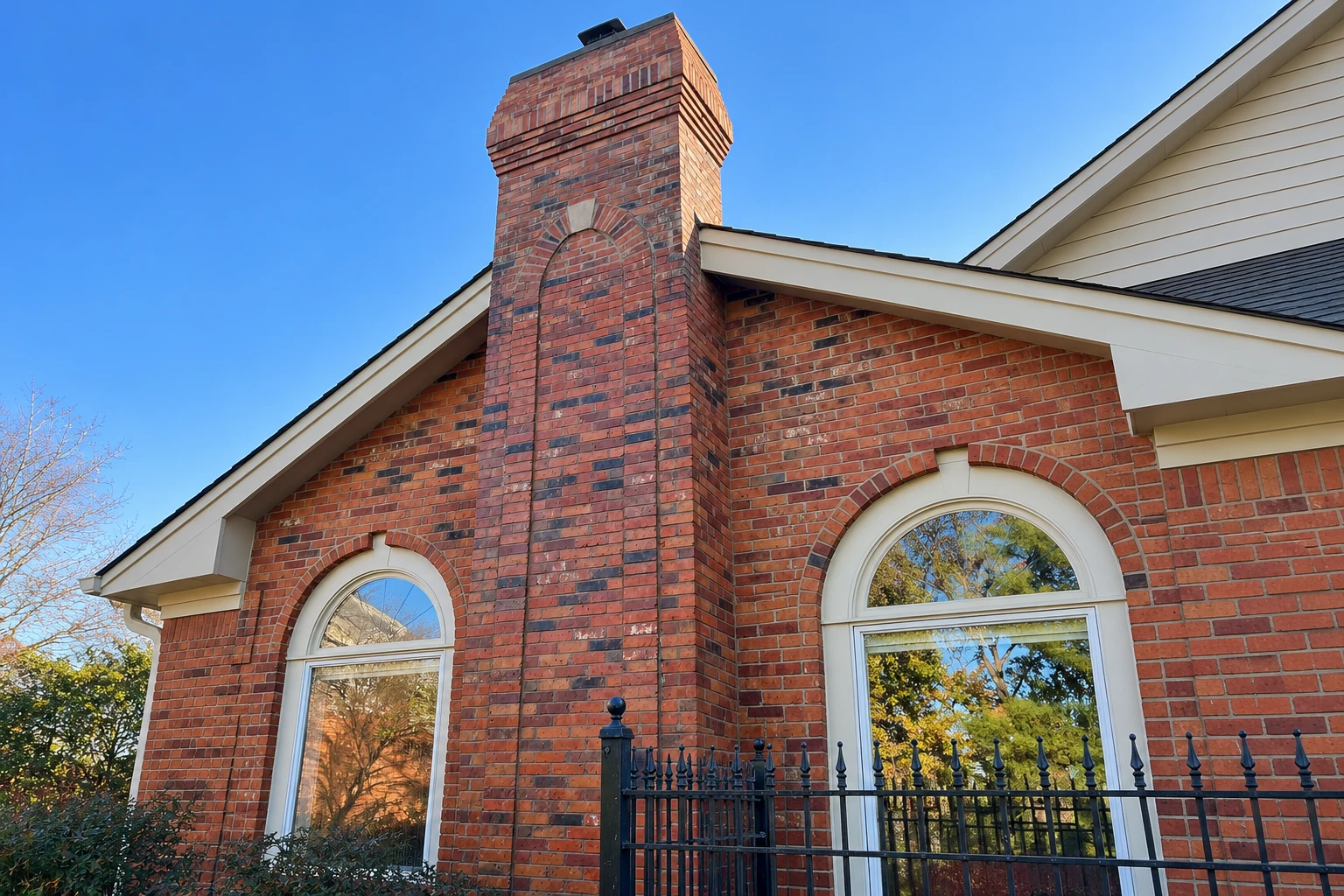
Loose bricks, crumbling joints or a cracked crown let water into a chimney with every thaw, so we repair the masonry before the damage works its way down.
On older Appleton brick where the joints have gone soft and sandy, we rake out the worn mortar and refill it with a mix that suits the original brick.
Spalled faces, cracked bricks and units pushed loose by ice can usually be replaced one at a time, matched in size and color as closely as we can find.
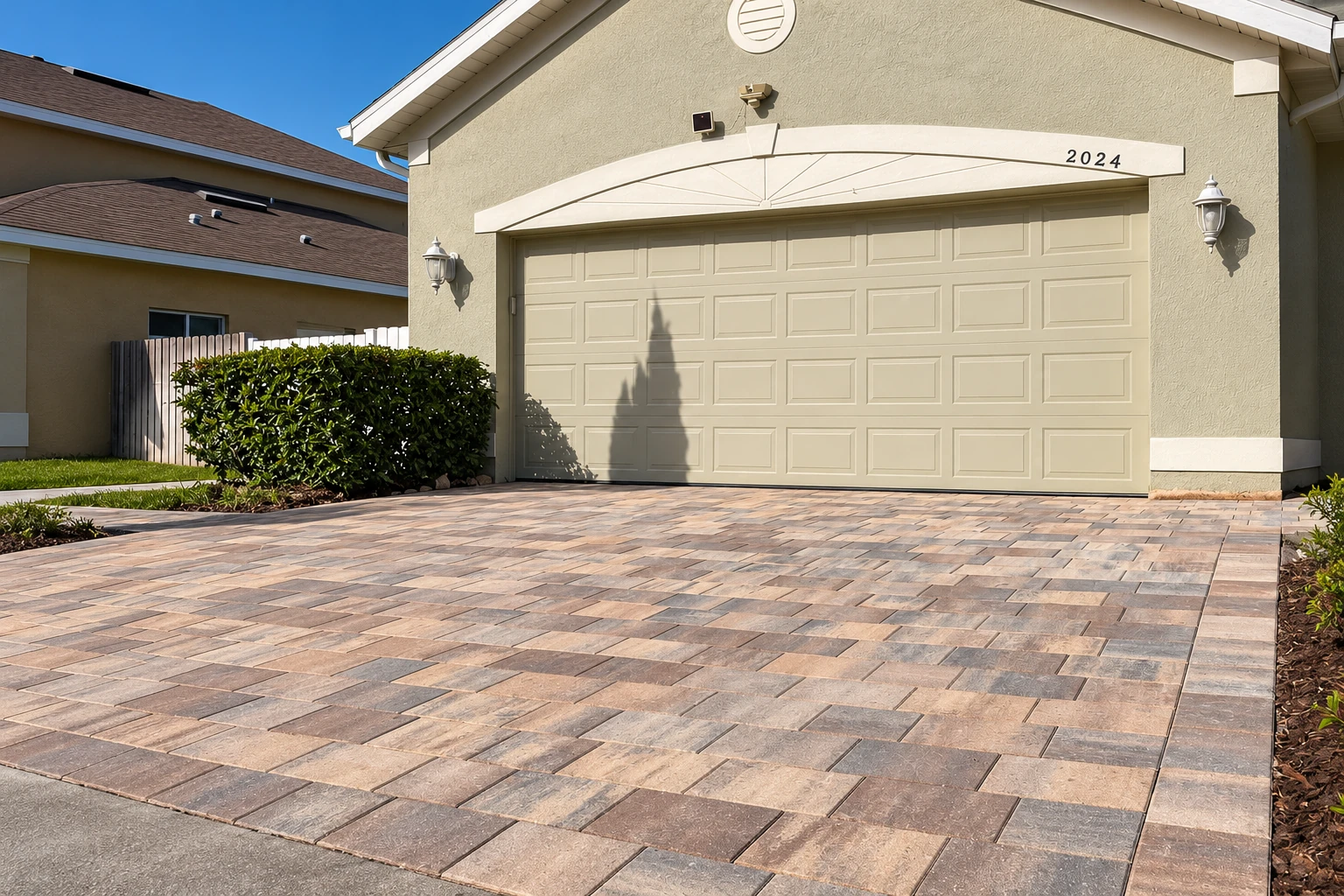
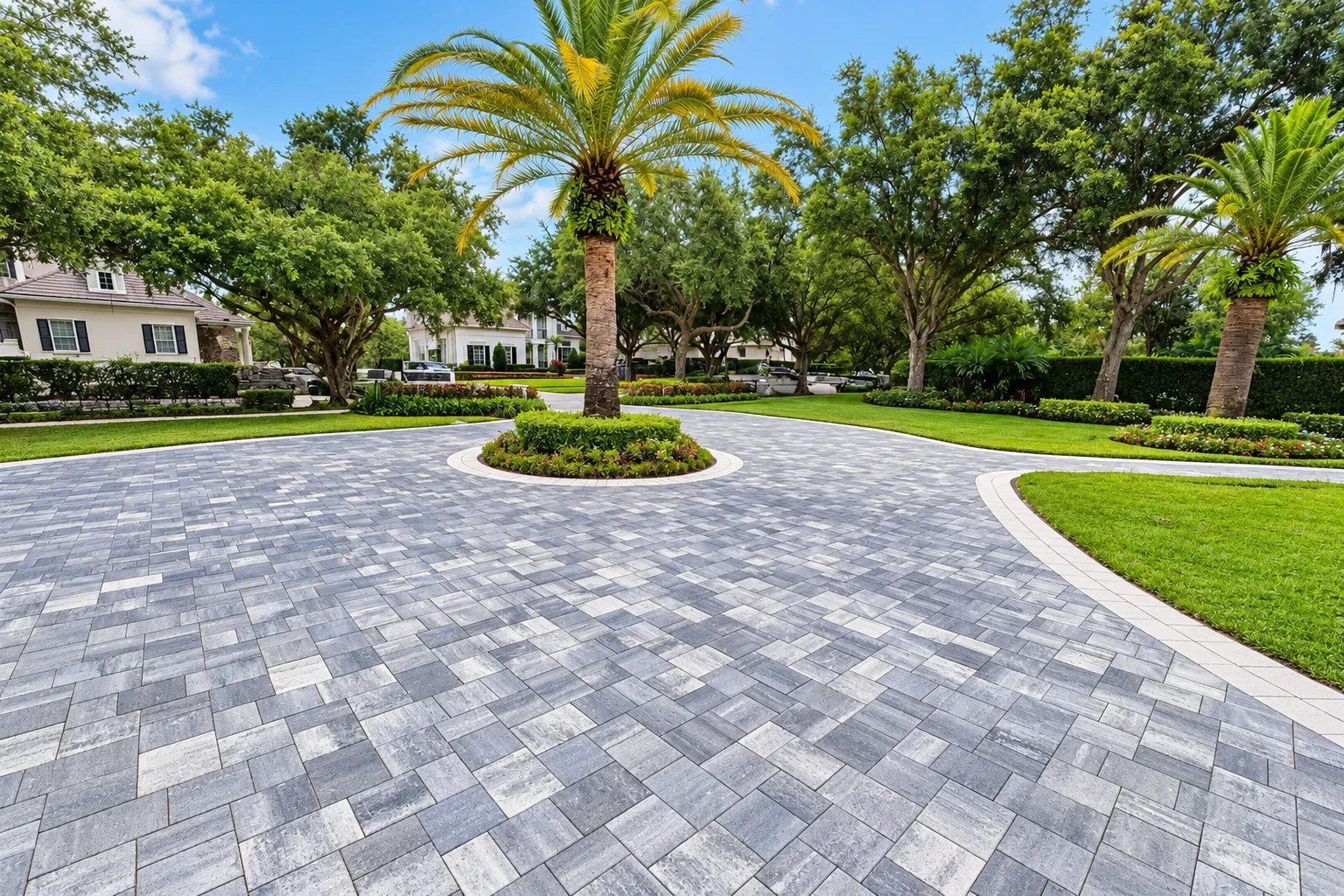
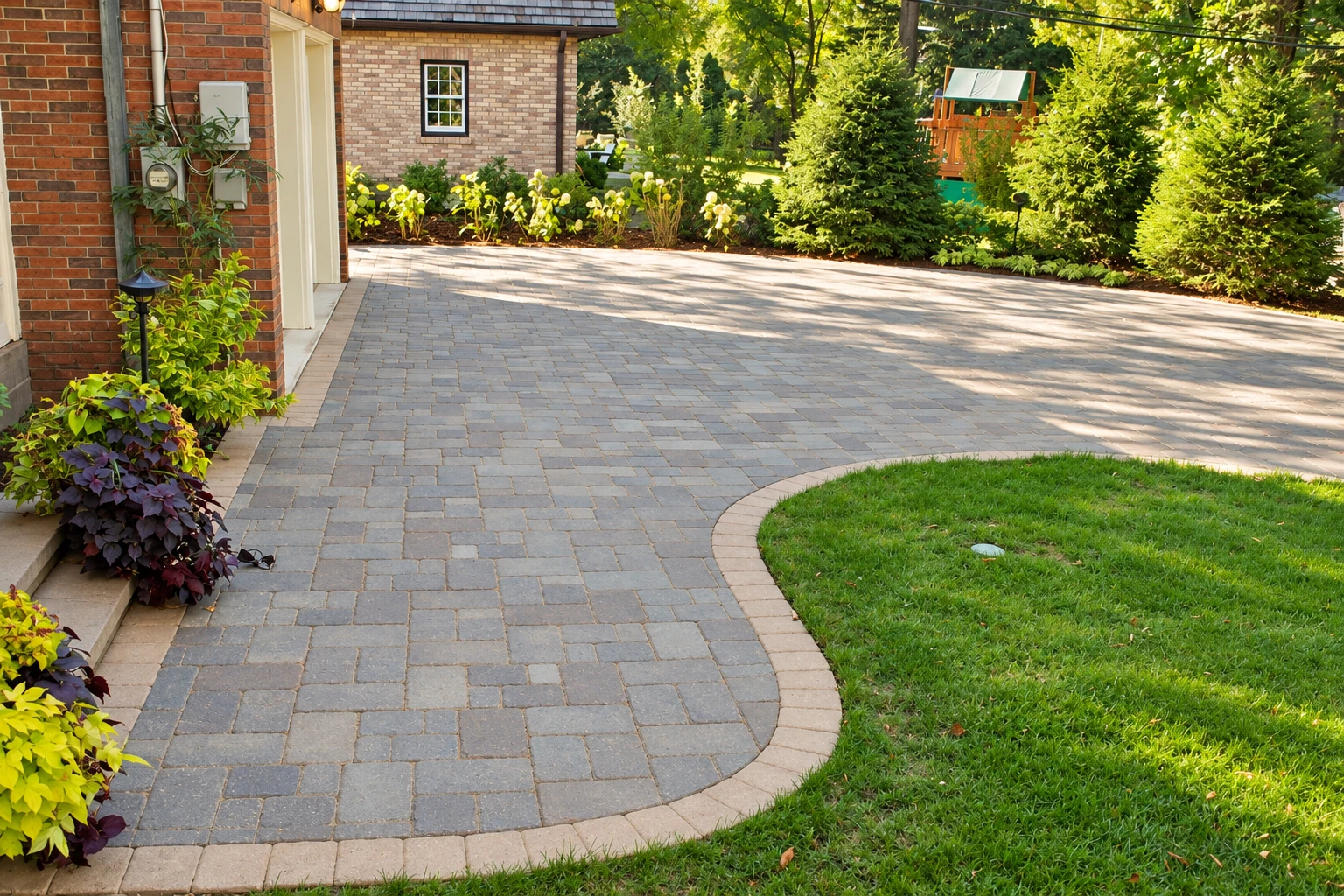
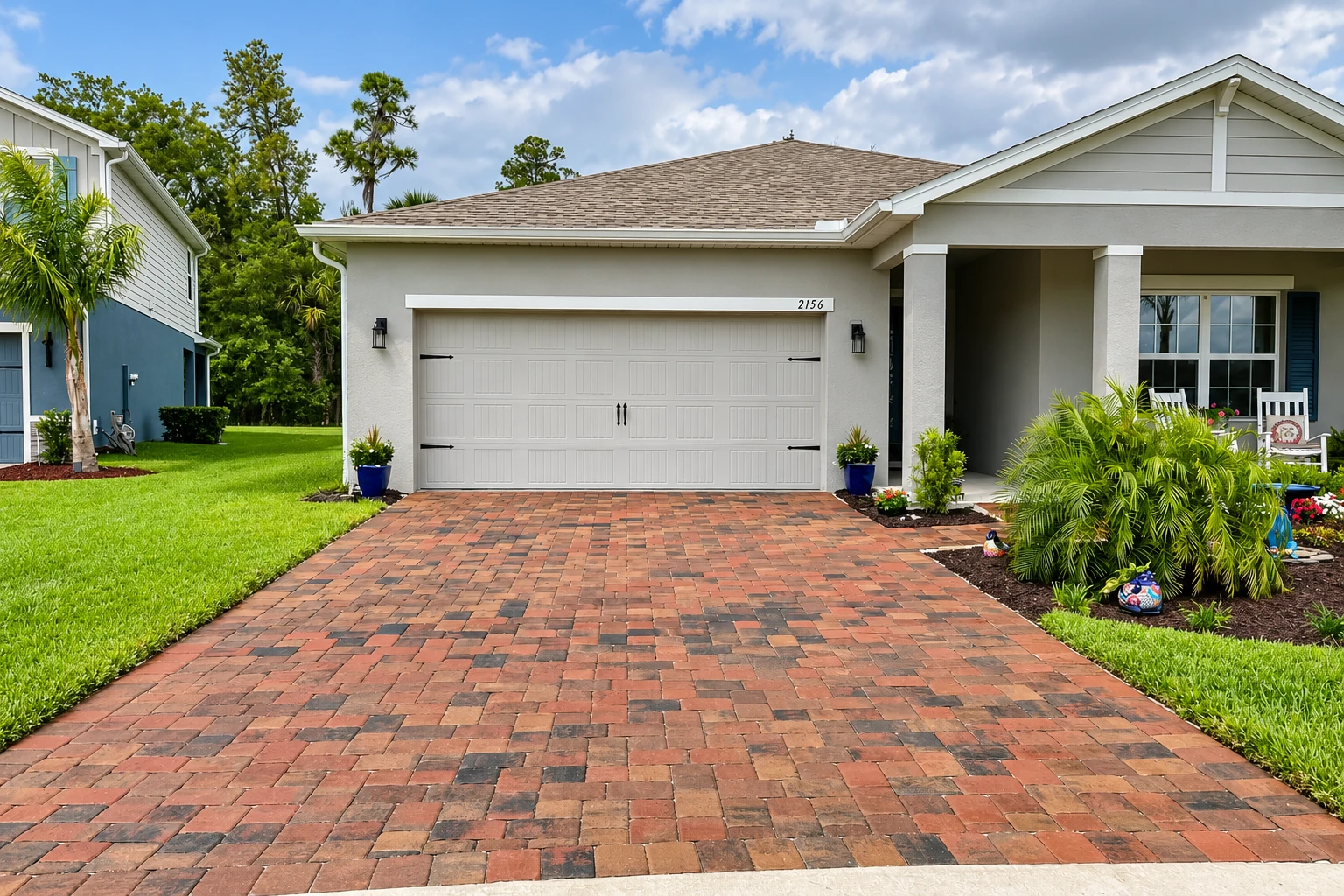
If a poured driveway has heaved or broken up, pavers laid on a well-packed base are a good replacement, and a single section can be lifted and reset if it ever settles.
Where a yard slopes toward the house or soil is slipping onto a walk, we build retaining walls on a solid base with drainage behind them so water and frost don't push them out.
For older brick and stone homes that need more than a patch, we work through the joints, units and trim together and keep the materials true to the house.
We build masonry fireplaces and surrounds laid out to suit the room, finished in brick or stone that fits the rest of your home.
Stone veneer gives a foundation wall, chimney or entry the look of stone, and we install it over the right backing so water drains out instead of sitting behind it.
For garages, sheds, screen walls and other structures that need strength more than looks, we lay block walls true and level on footings sized for the job.
When an addition, a garage or a failed old wall calls for a new foundation, we lay the block walls on proper footings and leave them ready for waterproofing.
For backyard grills, counters and pizza ovens, we build the masonry base and surround from materials that stand up to Appleton's snow, rain and summer heat.
Sunken, cracked or uneven front walks get rebuilt in brick, stone or pavers on a packed base, with a slight pitch so rain and meltwater run off.
We lay new brick walls, garden walls and additions with brick and mortar picked to match what's already on the house, so the new work doesn't stand out.
Fieldstone foundations, stone steps and garden walls on older properties are repaired or rebuilt by hand, with each stone bedded for the way it will be used.
When only a few joints have cracked or washed out, pointing fills them with fresh mortar, and that is often all a wall needs instead of a larger job.
We reply to every call and message within one business day. I'll set a time to come to your house in Appleton, look at the job myself and write down what we'd do and why. The estimate is free, and there's no obligation.
(920) 454-9038In Appleton, building permits come from the city's Inspection Division, and whether a job needs one is their call. When it does, we pull the permit ourselves and wait for the approved permit to come back by email before we start, so that review often sets the start date. Some land was annexed into Appleton from Grand Chute this year, so if you live near that line we first confirm which city your address now falls under.
For work on a one- or two-family home, the state ties the building permit to contractor certification. The contractor applying needs a Dwelling Contractor certification and must hold or employ a certified Dwelling Contractor Qualifier, and the city checks those certifications before it issues the permit. It's fair to ask any contractor you're considering whether they hold both. We're licensed and fully insured, and I'm glad to answer that question at the estimate.
The price mostly comes down to how much of the wall, chimney or foundation has to come apart, how hard it is to reach, and the material, since matched brick or natural stone costs more than standard block. The schedule turns on the permit, the weather and how long it takes to find a good brick or mortar match. At the estimate, I write down what we'd do and why.
I started this business in 2013 after leaving a desk job, because I wanted to build things that would still be standing long after I'd finished. I learned the trade working under experienced masons around Appleton, and the work we're best known for is the careful mortar work that older brick and stone homes need.
I come out to look at the job myself and write the estimate, and I'd rather show you the actual crack or worn joint than talk in general terms. If a smaller repair will do, I'll tell you so before I'd sell you more than the house needs. Our crew of experienced masons does the work, and I check it as it goes.
We're licensed and fully insured, and our work comes with one plain promise, satisfaction guaranteed. Thank you for considering us for your house. If you'd like me to come take a look, call (920) 454-9038 or send a note through our contact form and tell me what you've noticed.
Most of what shapes a masonry job here comes from the weather and the ground under the house. These are the conditions we plan around on Appleton jobs, and what they mean for yours.
The Appleton weather station averages January lows around 10°F and about 49 inches of snow a year. Fresh mortar needs time to cure before it freezes, so we usually schedule tuckpointing, chimney work and new walls for the warmer months and use winter for estimates and planning. July highs average about 82°F, and on hot days we keep new joints damp so they don't dry out too fast.
The area gets about 33 inches of rain and melted snow a year, and June is usually the wettest month. That water is what finds a cracked joint or a low spot along a foundation, so before we repair a wall we look at the gutters, the downspouts and how the ground slopes. A good repair can still fail if water keeps pouring onto the same spot.
If you're planning foundation work or a retaining wall on a low lot, it helps to know whether it sits in a mapped floodplain. The state DNR's map site shows a FEMA floodplain layer for reference only, and the official flood insurance rate maps are kept at FEMA's Map Service Center. We take what you find there into account when we plan the drainage and the wall.
Frost works its way under walks, steps and driveways every winter, which is why a sunken front walk or a heaved driveway is such a common call. The fix usually starts below the surface, by digging out the soft base and packing a firm one, because new pavers or brick laid on the old base will move the same way the old ones did.
The cost depends on how much masonry has to come out, how hard it is to reach and the material. Repointing a few joints on a low garden wall is a much smaller job than rebuilding the top of a two-story chimney from scaffolding, and natural stone costs more than block. I'll give you a written figure after I've seen the job.
Under the state dwelling code, a repair is exempt from plans, a permit application and inspection, while an alteration needs a permit, and the city can set stricter rules than the state. Repairs still have to meet the code that applied when the house was built. Because the line between a repair and an alteration matters, we check with the city before any work starts.
Yes, if you live in the house or will live there, the state exempts you from the contractor certification rule when you apply for a permit on your own home. You agree to build to the plans you submit and to allow inspections, and permit fees aren't refundable, so settle the scope first. When we do the work, we pull the permit.
If your house was built before the state dwelling code took effect, in December 1978 for one chapter and June 1980 for the rest, the state treats it as outside that code. Local rules can still be stricter than the state's. Repairs on any house follow the code that was in effect when it was built, which is one more reason we confirm the rules before starting on an older home.
Late spring through early fall is usually best, because mortar needs warm enough weather to cure before it freezes. Calling in winter or early spring gives me time to do the estimate and, where one is needed, get the permit approved, so your job is ready to start once the weather allows.
Clear a path to the wall or chimney we're working on and move cars, grills, planters and patio furniture away from it, because mortar dust and chips travel. Let us know about pets and any sprinkler heads near the work. We cover nearby plants and windows and clean up when the work is done.
You can call (920) 454-9038 any day of the week from 6 AM to 11 PM, or describe the crack, joint or wall through our contact form so I know what to look for when I come out.