
Foundation repair
When a basement wall shows a stair-step crack or lets water in, I look at what's moving it before we patch anything, so the repair addresses the cause.
Heritage Appleton Concrete and Masonry is a masonry contractor working in Little Chute, WI. We repoint crumbling mortar joints, repair cracked foundations and chimneys, and build walls, walkways, driveways and fireplaces for homes across the village.
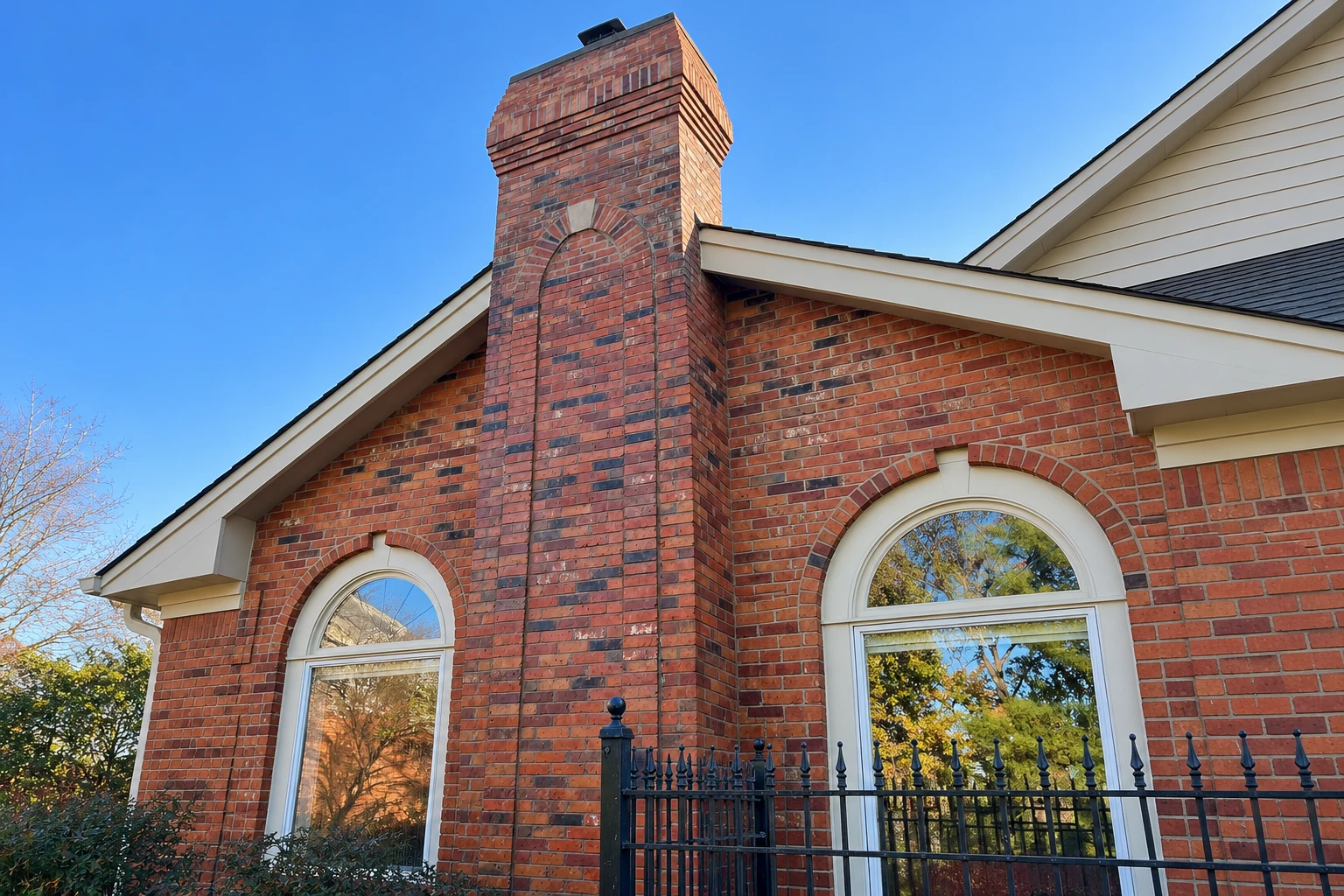
Heritage Appleton Concrete and Masonry is a masonry contractor based in Appleton, WI, and Little Chute is close enough that I come out to every job myself. Here we repair mortar joints, foundations, chimneys and brick, and we build walls, walkways, driveways and fireplaces when a homeowner is ready for something new.
Most calls from Little Chute start with something a homeowner has noticed: mortar turning to sand between the bricks, a basement wall crack that looks wider than last year, or a chimney that needs attention. On older brick and stone homes, I look first at what the original mason used, because new mortar that's harder than the old brick can crack the brick faces over time.
Newer homes bring different work, usually a front walk that has settled, a driveway ready for pavers, or a slope that needs a retaining wall to hold it. The approach is the same one we take next door in Kimberly and Kaukauna, with the right base, the right material for how it'll be used, and no more work than the house needs.
When a basement wall shows a stair-step crack or lets water in, I look at what's moving it before we patch anything, so the repair addresses the cause.
If the crown, the concrete cap on top of your chimney, has cracked or bricks are loosening, we rebuild what's failing and repoint the rest so water stops getting in.
When mortar between your bricks turns sandy or falls out, we grind out the worn joints and pack in new mortar matched to the age and softness of the brick.
A few cracked or spalled bricks, where the face has popped off, can usually be cut out and replaced with the closest match we can find, without redoing the whole wall.
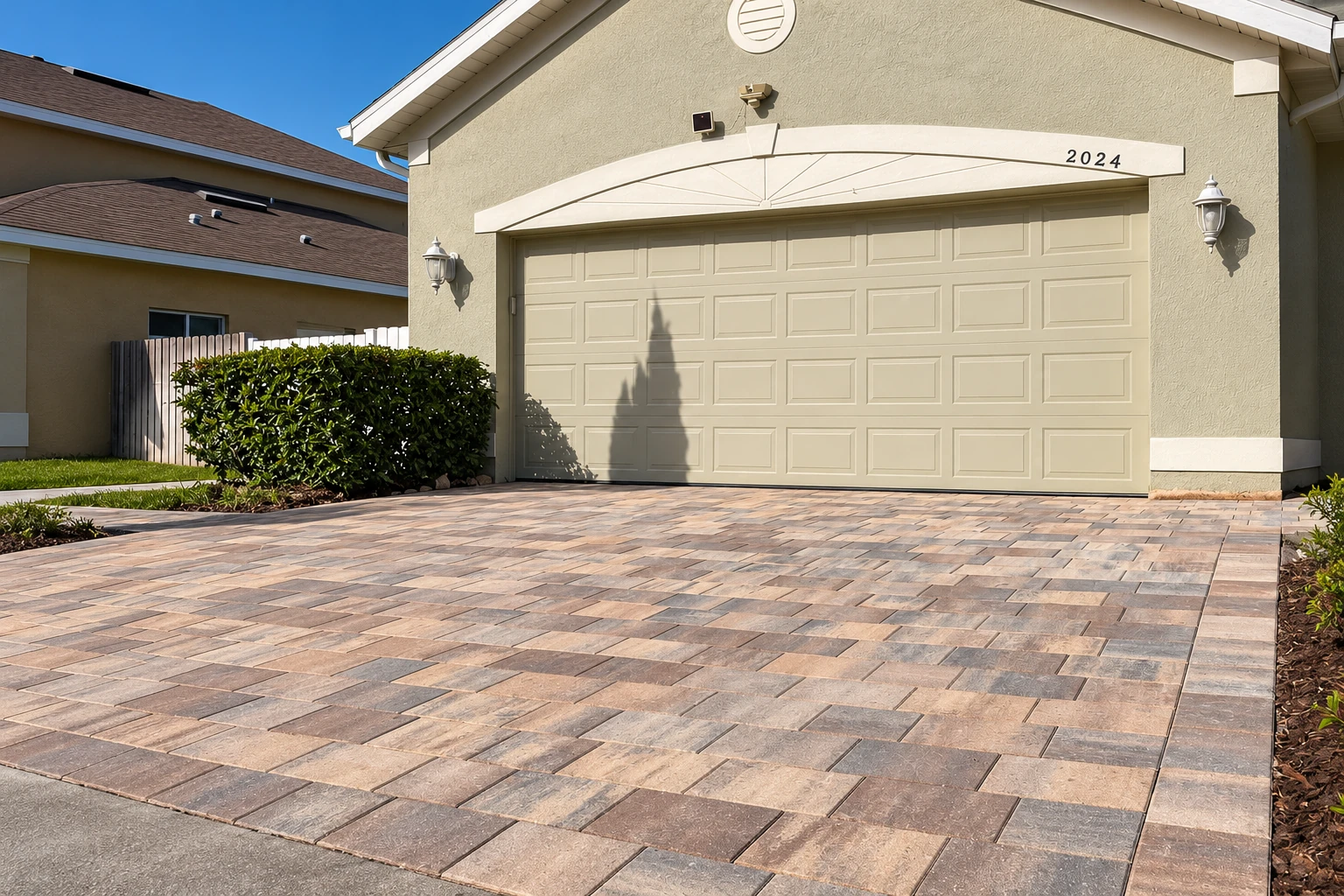
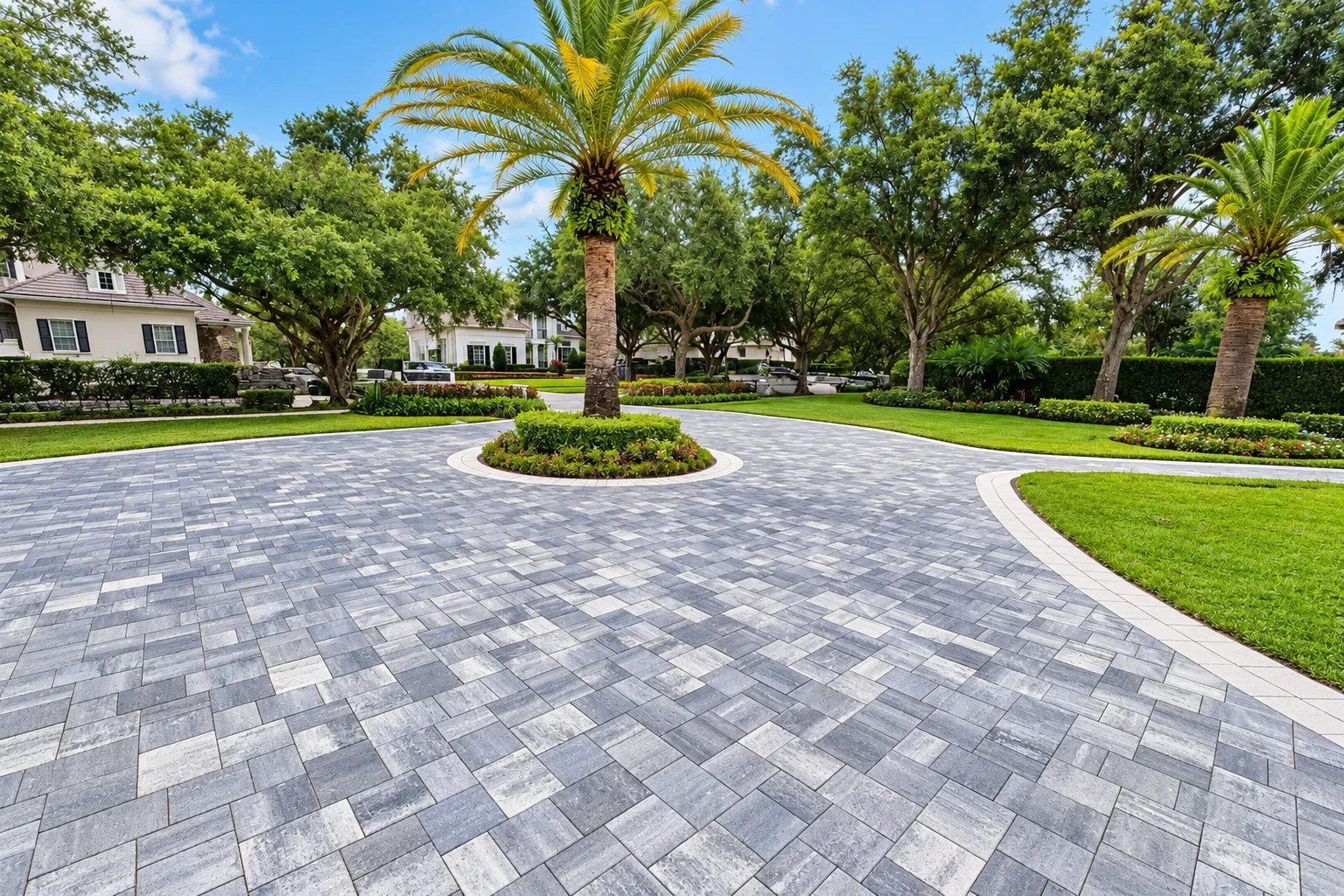
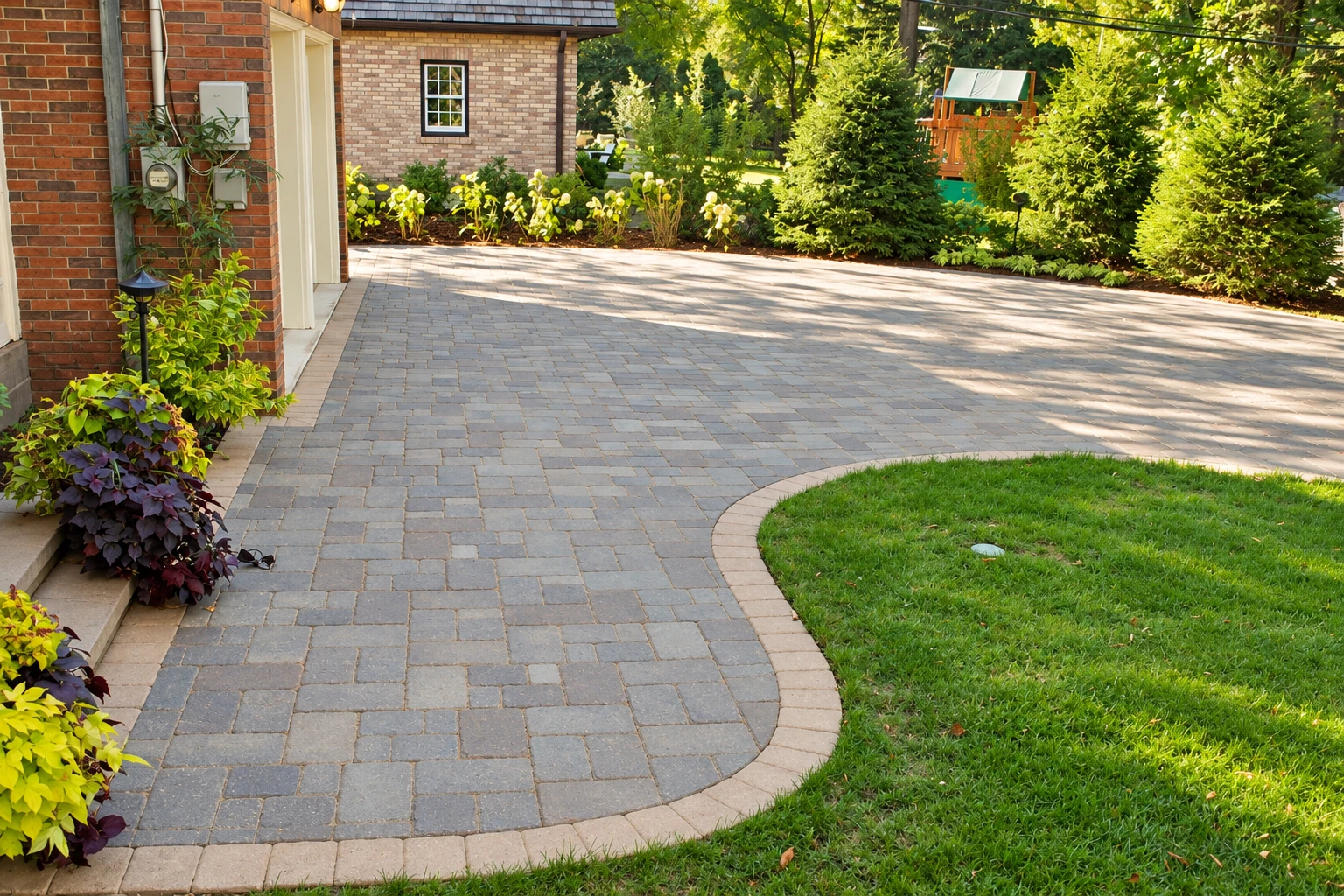
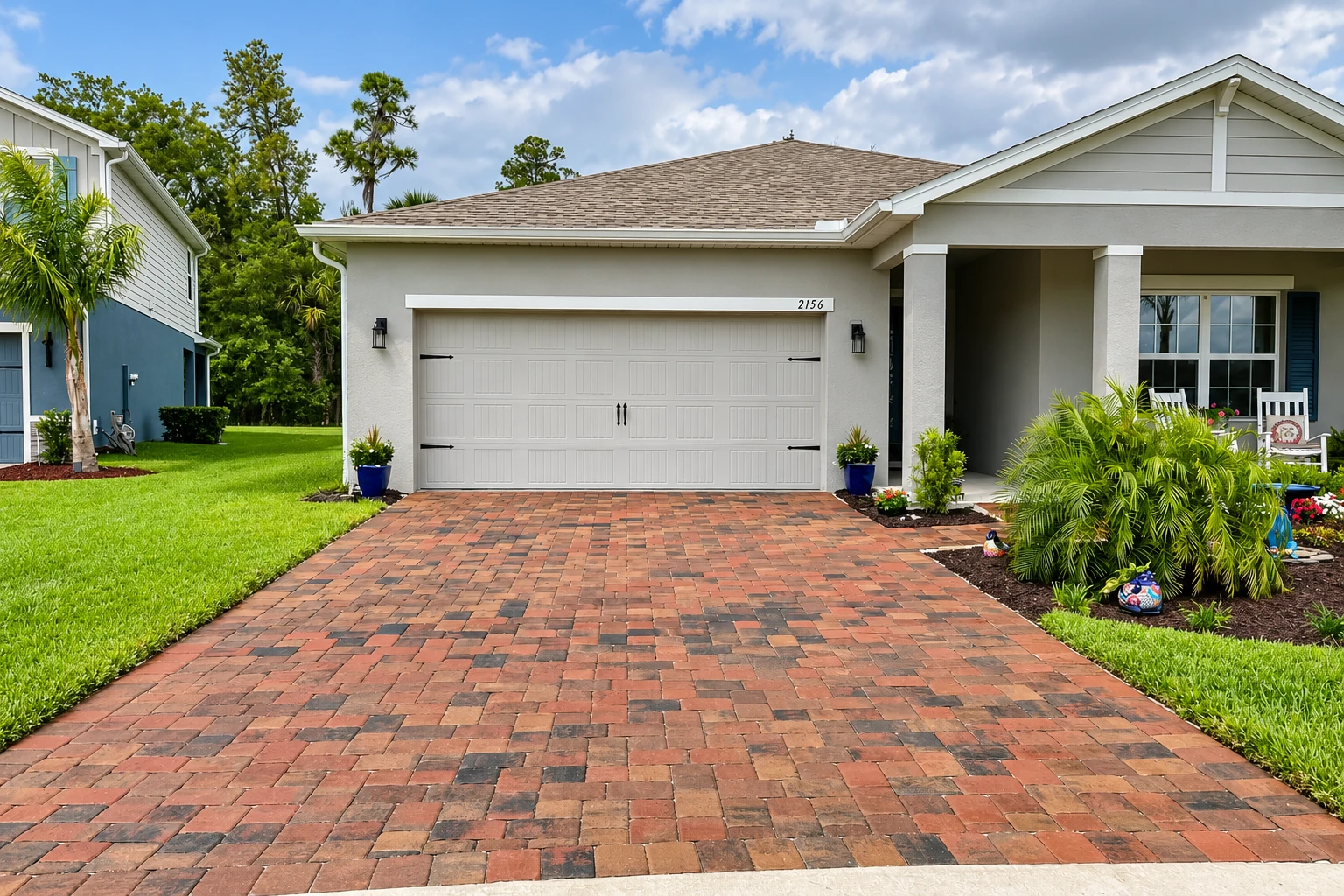
If your driveway has heaved or cracked, pavers laid on a well-packed base give you a surface where one damaged piece can be lifted and reset later.
When a slope is washing out or an old timber wall leans, we build in block or stone with drainage behind it, since trapped water pushes walls over.
For an older brick or stone house that needs more than a patch, we work section by section, repairing mortar, brick and stone so it suits the original.
If you'd like a masonry fireplace in a living room or family room, we build the firebox, surround and hearth to the plan we've agreed on with you.
Stone veneer, a thin layer of real or cast stone, can dress up a plain foundation or front wall, and we check that the wall behind it is sound first.
For a garage wall or a utility wall that has to carry weight, we lay concrete block on a solid footing, reinforced where the job calls for it.
When an addition or a replacement basement wall needs a new foundation, we lay block on the footing and seal the outside face before the soil goes back against it.
If you cook outside a lot, we build the grill surround, counters and base in brick, block or stone, sized to the equipment you've already chosen.
When a front walk has sunk, tipped or become a tripping spot, we dig out, pack a new base and lay brick, stone or pavers that sit level.
For a new garden wall, a screen wall or an addition finished in brick, we lay it on a proper footing with mortar suited to the brick you pick.
We set natural stone steps, walls and foundations by hand, each piece fitted to its neighbors, which suits older homes and yards that already have stonework.
When only a few joints are open or cracked, pointing fills them with fresh mortar, a smaller job than full tuckpointing that keeps water out of the wall.
Send us a few lines about your project and we'll reply within one business day. I'll come out to your home in Little Chute, look at the job myself and write down what we'd do and why. The estimate is free, and there's no obligation.
(920) 454-9038Building permits in Little Chute come from the Village of Little Chute's Inspections Department, which covers new construction, repairs, additions and alterations. When your job needs one, work waits until the permit is issued and the department inspects along the way, so the permit is often what sets the start date. Before you hire anyone, it's fair to ask whether they're licensed and insured and whether they'll pull the permit themselves.
We're licensed and fully insured, and when a job needs a permit, we pull it ourselves and keep the paperwork in order. Whether your project needs one is the village's call, not ours, so I check with the department before we start rather than guess. It's the same way we handle jobs in Menasha and the other cities around Appleton.
What moves the price is mostly what I find when I look closely: how many joints or bricks have failed, how high the work sits, whether older brick or stone has to be matched, and how much digging and base work a wall or walk needs. The estimate I write after seeing your job puts that in plain terms for your house.
I started this business in 2013 after leaving an office job, because I wanted to build things that would still be standing long after I'd finished. I learned the trade working under experienced masons around Appleton, and after 13 years we're best known for careful mortar work on older brick and stone homes, where the wrong mortar can do more harm than the crack it was meant to fix.
I come out to look at every job myself and write the estimate, and our crew of experienced masons does the work while I check it as it goes. If a smaller repair is all your house needs, I'll say so plainly, because I'd rather do that well than sell you more. Our work is satisfaction guaranteed. When you're ready, call (920) 454-9038 or use the contact form, and thank you for considering us.
A few of the village's rules shape how a masonry job in Little Chute is planned and run. Here's what each one means for your project and how we handle it.
If your new driveway or walkway meets the street, the part in the right-of-way, the strip along the road that the village controls, is permitted separately. Permits for sidewalks, driveway approaches, curb openings and curb replacement come from Public Works at Village Hall, not the Inspections Department. We sort out which parts of your job fall on each side of that line before we dig.
Once a permit is issued, the department keeps inspecting to see that the work meets code, which for homes here means the Wisconsin Uniform Dwelling Code and the village's own code. On a foundation wall or a new footing, those visits matter, so we leave room in the schedule for them rather than pushing ahead and covering up work that hasn't been looked at.
When a permit is issued, its placard goes in a front window or door where it can be seen from the road, and I'll show you where before our crew starts. Work started without a permit is subject to a doubled permit fee and a Stop Work Order until a permit is obtained, which is why we settle the permit question first.
Permits for single- and two-family homes run two years from the date they're issued, and an expired one has to be reissued for an added fee. That's usually plenty for a masonry job, but if you're planning work in stages, such as a wall this year and a walkway next, it's worth timing the permit so it doesn't lapse partway through.
Many masonry jobs do, because the village issues permits for any new construction, repairs, additions, alterations or demolitions. Its Inspections page names painting, flooring and maintenance as the work that doesn't need one before starting. I confirm what your particular job needs before we set a start date.
The property owner is responsible for getting the permit before any work starts, according to the village's inspection guide. The guide also allows a contractor to apply on your behalf, and that's what we do, so you aren't left handling the application yourself.
Yes, the village's Inspections page lists fences among the projects that need a permit, along with porches, decks and sheds. A masonry fence or screen wall is still a fence, so we plan on a permit being in place before any footing is dug.
The price comes down to how many joints, bricks or blocks need work, how high or hard to reach they are, and whether older brick or stone has to be matched. A cracked foundation or a new wall adds digging and base work. I put the figure for your job in writing at the estimate.
A job usually starts once you've agreed to the estimate and, if the job needs one, the permit has been issued. The size of the job and finding brick or stone to match an older house also move the date, and I'll tell you plainly what's holding things up.
Note where you've seen the problem, such as a crumbling joint, a crack that's grown or water in the basement, so I can look at it with you. Clear a path to the wall or chimney if you can, and keep any older photos handy, because they help show whether a crack is moving.
Open mortar joints are usually a smaller repair before water works into the wall behind them, so call (920) 454-9038 or send a few lines through the contact form.